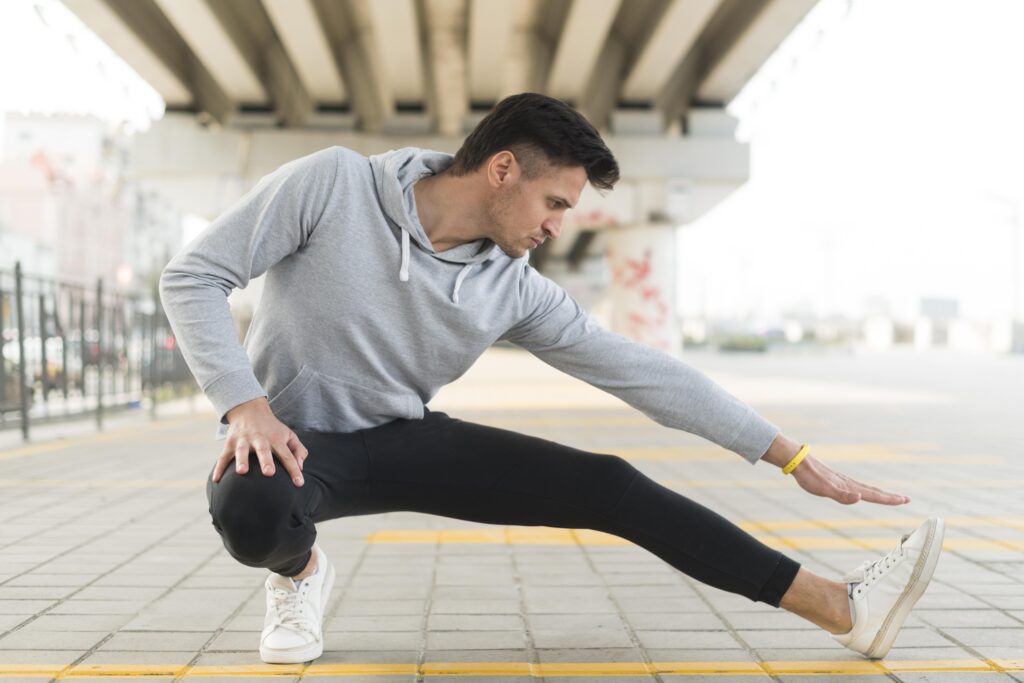
Many people assume stretching is the solution to stiffness, soreness, or back pain. Especially in the lower back, this is often wrong. Stretching pulls on tissues that are already injured or inflamed. When you bend or stretch these tissues repeatedly, it can make the pain worse instead of better.
Think of a sprained wrist. You would not force it to bend and twist every day. You would protect it, let it heal, and then slowly strengthen it. The same principle applies to the spine, shoulders, or hips. Stretching may feel good for a short while, but it often strains the tissues that need stability and support to recover.
Why Posture and Daily Habits Matter More Than Stretching
Stiffness and pain are often caused by long-term habits, not tight muscles. Sitting at a desk, driving, or slouching for hours every day flattens the natural curves of your spine. Forward bending stretches only reinforce these positions.
For example, many people with lower back pain live most of their day in a flexed position. Even when they try to stand tall, the lumbar curve remains flattened. Stretching forward or doing repeated yoga poses may feel good temporarily but actually pulls on the discs and ligaments that are trying to heal.
Instead of relying on stretching, focus on movements that restore natural posture and stability:
- Neutral posture practice: Stand and sit with your spine aligned in its natural curves.
- Gentle backward bending: Helps restore lumbar extension without forcing the spine.
- Hip hinges and proper lifting mechanics: Reduce pressure on discs and ligaments.
- Daily decompression: Small movements like lying on your back with knees bent or using a towel under the lower back to relieve pressure.
These simple habits protect injured tissues and allow the body to heal safely.
Strengthening Beats Stretching
Stiffness is rarely caused by a lack of flexibility. Most of the time, it is a stability issue. Your body adapts to the positions you hold most often. If you sit slumped for nine hours a day, your spine becomes used to being rounded. Stretching forward may feel relieving, but it reinforces the very problem causing pain.
Instead, focus on controlled strengthening exercises that support proper alignment. These exercises:
- Build muscle around injured areas for long-term protection.
- Retrain movement patterns so the body avoids positions that strain tissues.
- Encourage healthy spinal curves and better posture.
Some examples of beneficial movements include:
- Walking and controlled squats: Strengthens legs, core, and stabilizing muscles without over-stretching the spine.
- Hip and core exercises: Supports spinal alignment and reduces pressure on discs.
- Back extension drills: Gentle, controlled backward movements restore lumbar curvature.
Following these exercises consistently is far more effective than stretching repeatedly.
How a Physiotherapy Clinic Oakville Can Help
Visiting a physiotherapy clinic Oakville ensures you get professional guidance instead of guessing what works. A skilled physiotherapist evaluates posture, movement patterns, and injury history. Then they design a program that focuses on stability, strength, and proper alignment, not just temporary relief through stretching.
The best physiotherapy in Oakville combines:
- Hands-on assessment to identify which areas are weak or unstable.
- Personalized exercises that restore natural movement patterns.
- Daily habit advice to prevent re-injury.
- Education on proper body mechanics for work, home, or sports.
This approach ensures recovery is safe, effective, and long-lasting.
Common Mistakes People Make With Stretching
Many people unknowingly make their pain worse by stretching incorrectly. Common mistakes include:
- Forcing the stretch: Pushing your body past its comfort level can tear or irritate tissues.
- Overdoing forward bends: Especially for back pain, this can pull on discs and ligaments.
- Ignoring posture: Stretching alone won’t fix habits that caused pain.
- Skipping strength training: Without strengthening, your body remains unstable.
- Expecting quick fixes: Stretching may feel good short term, but long-term control and stability are key.
By avoiding these mistakes and focusing on correct movement, stiffness and pain improve faster.
Practical Tips for Relief Without Stretching
You can manage stiffness without over-stretching. Some effective strategies include:
- Controlled walking: Moves the body without overstressing injured areas.
- Hip and core strengthening: Builds support for the lower back and spine.
- Neutral spine exercises: Lie on your back with knees bent, gently engage core muscles.
- Decompression techniques: Place a small towel under the lower back to reduce pressure.
- Professional guidance: A physiotherapy Oakville program provides tailored exercises for your exact needs.
These strategies improve posture, retrain muscles, and relieve pain safely.
Real-World Example
Consider a patient with chronic lower back pain from sitting all day. Forward bends and stretching temporarily relieved discomfort. However, the pain returned worse than before.
A physiotherapist introduced:
- Daily neutral posture drills
- Gentle backward extensions
- Core and hip strengthening
- Habit changes for sitting and standing
Within weeks, the patient regained mobility and reduced pain. Stretching alone would not have solved the problem.
Bottom Line
Stretching is not the answer to pain or stiffness. The body heals best when it regains control and stability. Focus on:
- Proper posture
- Strengthening core and supporting muscles
- Gentle decompression
- Safe movement patterns
A physiotherapy clinic Oakville can design a program to rebuild your natural spinal curves, strengthen muscles, and prevent future injury. This approach provides lasting relief. Stretching may feel good briefly, but recovery comes from controlled, supported, and targeted therapy.