
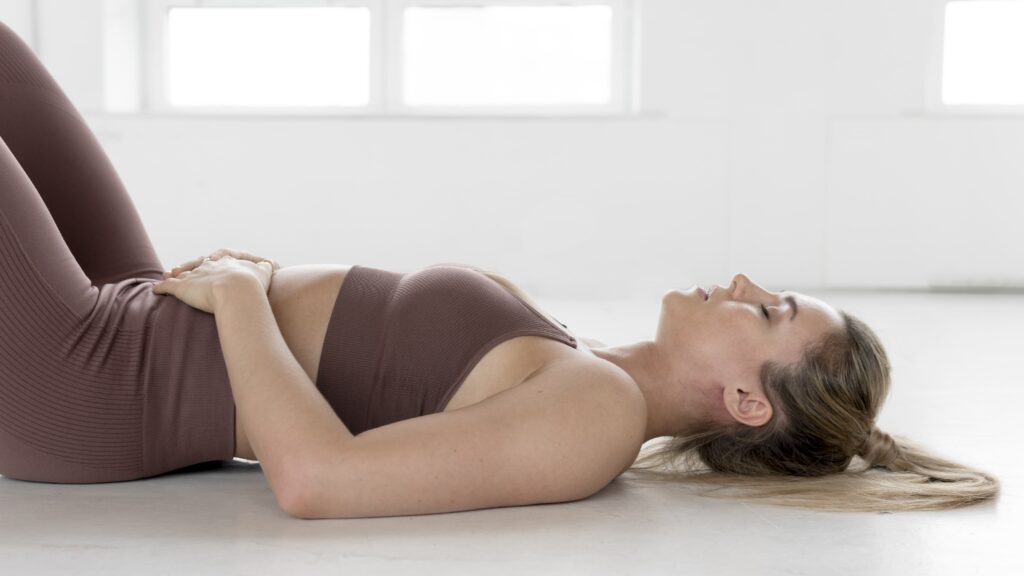
Bladder leaks and backache are familiar problems for millions of women across the globe. Most tolerate them as natural after giving birth or growing older, but most times, the cause is a poor muscle tone in the pelvic floor. Women’s pelvic floor therapy provides a safe, painless way to tone up muscles, stop leaks, and end backache.
What is Female Pelvic Floor Health?
The pelvic floor is an area of muscles and connective tissues that supports the bladder, uterus, and bowels. The muscles also stabilize the spine and pelvis, complementing the core and back muscles in posture and balance.
Weak pelvic floor muscles may result in:
- Urinary incontinence or leaks by accident
- Back pain and spinal discomfort
- Poor posture and core instability
- Pain with exercise or during sex
The most common causes of pelvic floor weakness are pregnancy, childbirth, menopause, aging, and sitting for extended periods. High-impact exercises, heavy lifting, chronic cough, and constipation can also weaken the muscles over time.
Female pelvic floor health is necessary for more than just bladder control; it is also beneficial to spinal stabilization. Healthy pelvic muscles take stress off the lower back, preventing pain and maximizing overall function.
How Bladder Leaks and Back Pain Are Connected
Bladder leaks and low back pain often appear together. The pelvic floor, abdominal, and back muscles work as a unit to stabilize the spine. When pelvic muscles weaken, the spine loses support, increasing strain on the lower back. This strain often leads to chronic discomfort and pain.
Leaks themselves can exacerbate low back pain. Treating leaks strains nearby muscles, causing tension in the lower back and hips. This eventually creates a vicious cycle whereby weak pelvic muscles initiate leaks, and leaks escalate spinal strain.
Research has revealed that women who have incontinence are more susceptible to chronic low back pain. The relationship underscores the necessity of treating pelvic floor weakness early.
Benefits of Pelvic Floor Therapy in Females
Female pelvic floor therapy is aimed at recovering muscle strength, improving bladder control, and alleviating pain. A physiotherapist trained in pelvic floor therapy assesses pelvic muscle function, core stability, and posture prior to developing a tailored program. Important therapy elements are:
Specific exercises: Strengthen and retrain the pelvic muscles for improved control and support.
Biofeedback training: Visualize muscle activity and proper engagement.
Manual therapy: Relaxes tight muscles, increases mobility, and restores function.
Posture and habit guidance: Reduces the load on the pelvis and spine during everyday activities.
Research indicates structured therapy programs decrease urinary leaks by a significant amount, increase low back pain, and increase quality of life. Women who do exercises regularly tend to have sustained results for years.
Practical Steps to Support Therapy at Home
Therapy is not sufficient. Daily routine and exercises support pelvic floor well-being:
1. Pelvic Floor Exercises (Kegels): Squeeze and release muscles for 5–10 seconds, 10–15 repetitions, twice daily.
2. Awareness of Posture: Sit and stand correctly, avoid slouching or leaning forward for extended periods.
3. Gentle Exercise: Walking, swimming, or yoga can improve the core without overexerting the pelvic floor.
4. Healthy Habits: Avoid straining on the toilet, be at healthy weight, and control chronic coughing.
Consistency is key. Small, repetitive steps prevent future leaks and back problems.
Lifestyle Factors That Influence Pelvic Floor Health
Some habits and lifestyle practices over time can weaken pelvic muscles:
Sedentary lifestyle: Prolonged sitting decreases blood flow and weakens muscles.
Heavy lifting: Poor lifting techniques put extra pressure on the pelvis and strain muscles.
High-impact activity: Running or jumping without core support can weaken the pelvic floor.
Hormonal fluctuation: Menopause lowers estrogen, influencing muscle tone and elasticity.
Knowing these factors enables women to make changes and help maintain their pelvic health.
Real-Life Benefits of Therapy
Women who undergo female pelvic floor therapy usually notice:
- Fewer or no bladder leaks
- Decreased low back pain
- Improved posture and balance
- Increased confidence in daily functioning
- Increased sexual comfort and health
For some, therapy enhances not only physical health but also emotional health. The freedom from chronic pain and leaks may decrease stress, anxiety, and embarrassment, resulting in a better quality of life.
When to Seek Professional Help
Recurring bladder leaks or lower back pain are abnormal and should never be dismissed. A female pelvic floor trained physiotherapist can determine the cause and establish a safe, tailored plan. Early treatment usually averts worsening symptoms and long-term injury.
Women who have any of the following need professional attention:
- Leaking urine when exercising, coughing, or sneezing
- Ongoing low back or pelvic ache
- Trouble contracting pelvic muscles during exercise
- Pain with intimacy
Take Control of Your Health
Female pelvic floor therapy is more than a workout—it restores confidence, enhances comfort, and empowers your body. Isometric strengthening of these muscles can prevent bladder leaks, reduce low back pain, and enhance overall quality of life.
Prioritizing feminine pelvic floor health is an important first step toward an active, comfortable, and confident life. With therapy, females can take back control, move freely, and avoid future complications.
Ready to take back control and alleviate back pain? Schedule a consultation today at Elite Physio Care and begin your journey to stronger pelvic health.